



Under the High Patronage of the Prime Minister, Mr. Abdoukader Kamil Mohamed, the Ministry of Communication, in charge of Posts and Telecommunications, in partnership with Djibouti Telecom and the Centre for Technology and Innovation for Development, yesterday launched the Djibouti Fintech Forum at the Djibouti Palace Kempinski. This event will highlight the tremendous potential of new technologies for the economic and social development of Djibouti. It will also enable the establishment of a platform to discuss the concrete measures to be implemented in order to launch the country’s digital transformation through a high-performing fintech ecosystem.
In this post-COVID-19 world, where digital technologies are set to play an even more decisive role in socio-economic development, the Republic of Djibouti is more than ever committed to successfully achieving its digital transformation, which is essential for its economic growth and for maintaining its position as a technological hub in East Africa, as outlined in our national strategy Vision Djibouti 2035.
This forum, which is a first in our country, is part of the Africa Fintech Forum Tour launched in 2017 and taking place in more than 10 African countries. It is an event aimed at promoting the digital economy through Fintech, Insurtech, Regtech, Blockchain, Artificial Intelligence and Big Data, and at placing financial technologies at the heart of Djibouti’s development policies and strategies.
The event will highlight the tremendous potential of new technologies for the economic and social development of Djibouti.
It will also enable the establishment of a platform to discuss the concrete measures to be implemented in order to launch the country’s digital transformation through a high-performing fintech ecosystem.
A large-scale official ceremony was marked by songs specially composed for the occasion by the artists “Jeunes Talents 2” and the star of Djiboutian music, Awaleh Aden Deheyeh.
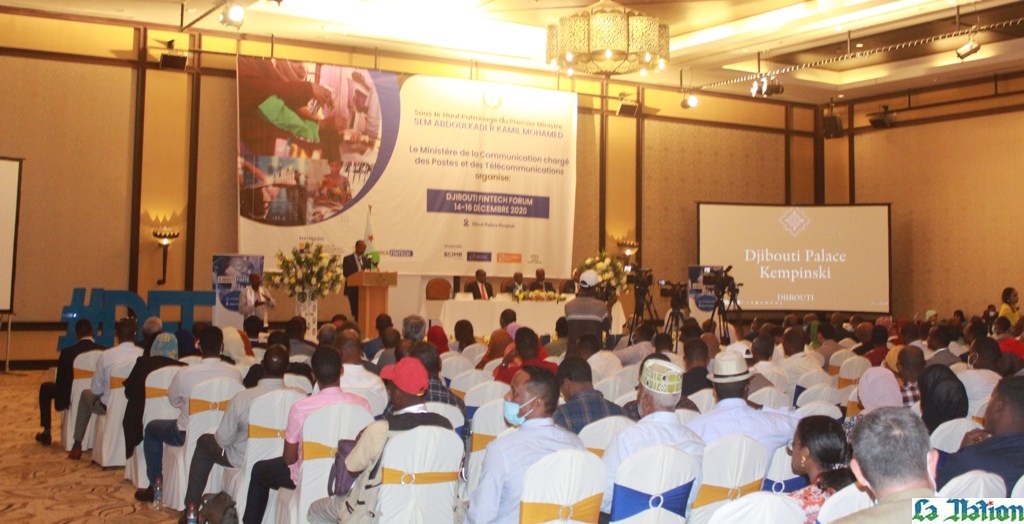
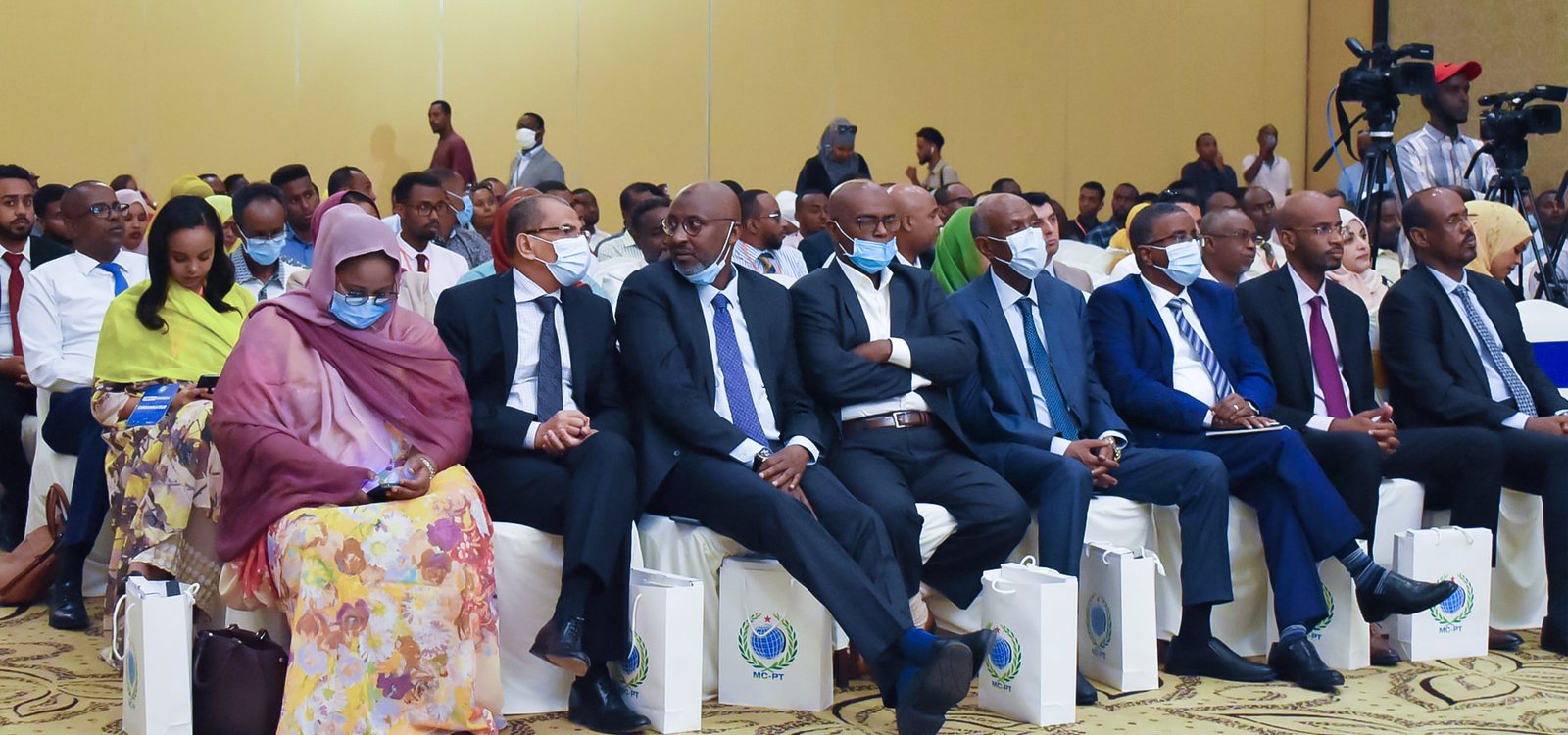
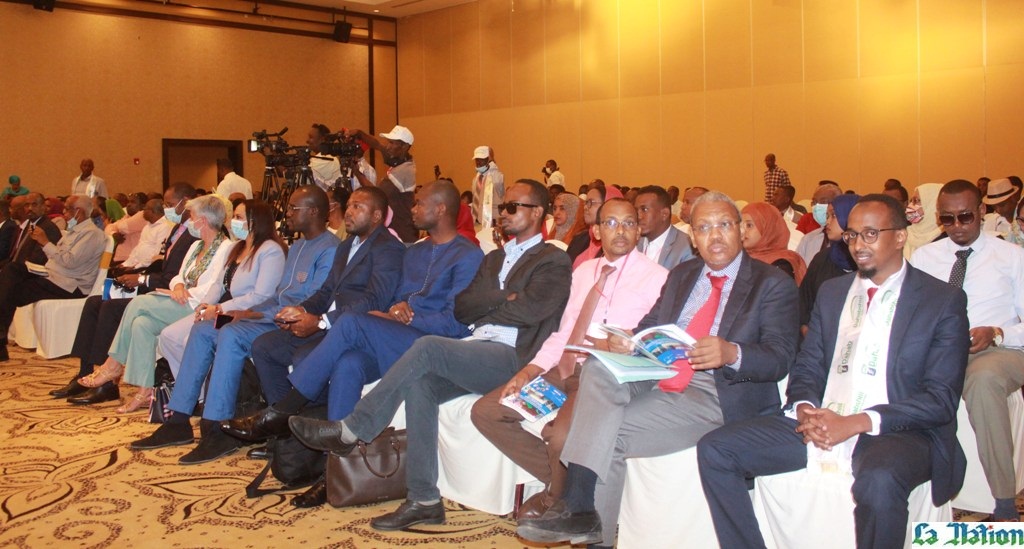
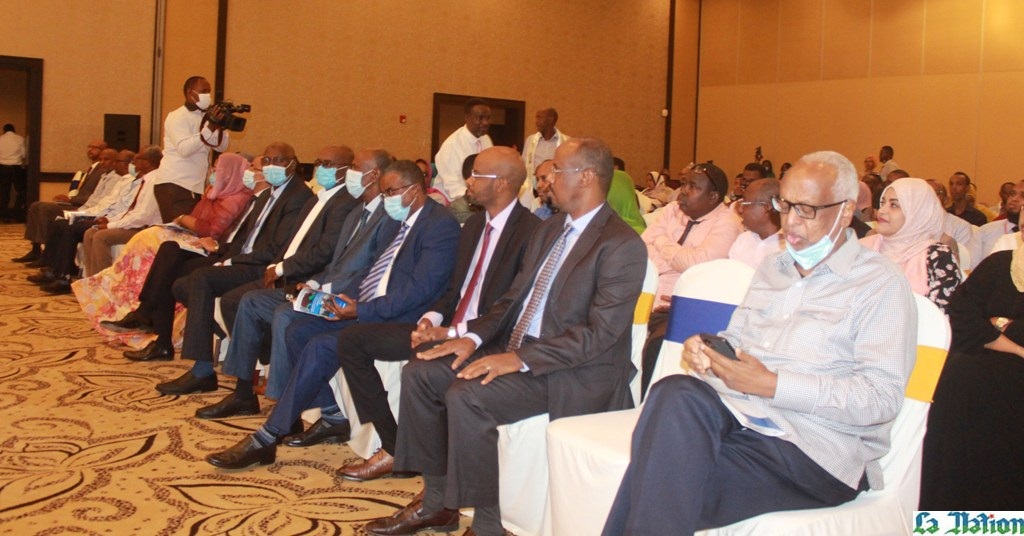
In addition to the Prime Minister, Mr. Abdoukader Kamil Mohamed, the event brought together on site the Minister of Communication, in charge of Posts and Telecommunications, Mr. Radwoin Abdillahi Bahdon, the Governor of the Central Bank of Djibouti, Mr. Ahmed Osman, the Director General of Djibouti Telecom, Mr. Mohamed Assoweh Bouh, the Director of CTID, Mr. Samatar Abdi Osman, members of the Government, parliamentarians, representatives of the diplomatic corps, representatives of the United Nations system, representatives of civil society, and a distinguished audience of guests.
From December 14 to 16, the Djibouti Fintech Forum, through panels and training sessions, will address topics related to digital finance: the role of stakeholders, challenges and opportunities, access to financial services for all, ecosystem development, etc.
The ultimate objective of this forum is to advocate for financial technologies among all stakeholders: public and private decision-makers, young innovators, entrepreneurs, etc.
This forum is an opportunity for Djibouti Telecom to promote its flagship product, the electronic wallet D-Money, in line with the digital transformation being addressed.
In a brief address delivered on site, the Director General of Djibouti Telecom, Mr. Mohamed Assoweh Bouh, stated that “this forum is organized in a very particular context marked by the COVID-19 crisis, which has affected all countries around the world, strongly impacting our daily lives and forcing us to radically change our ways of living. This unprecedented situation is combined with the new reality imposed on all of us; both as users, businesses, administrations and regulators. This reality that we experience every day is digital transformation. It is spreading across all sectors of activity, breaking down silos and reshaping new value chains. It is this same reality that gave rise to Fintech, technology at the service of finance.
Fintech is structured around three main pillars:
The first: high-speed telecommunications network infrastructures ensuring enhanced connectivity,
The second: talent management through the development of the skills necessary to innovate new financial services,
The third: regulation to facilitate the emergence of a digital ecosystem and support the development of the sector. This necessarily requires a flexible and adaptable legal framework.
These three days of the forum will provide an opportunity to better understand the challenges and issues, as well as the opportunities offered by fintech, through the planned panels and workshops. Our country has the necessary assets to derive the greatest benefits from the digital revolution and particularly from fintech.
Indeed, as a recognized financial hub in the region, we have also invested in modern technical infrastructures on which the fintech ecosystem could develop. One of the major orientations of Djibouti Telecom’s strategic development plan emphasizes our contribution to promoting the development of a digital ecosystem in our country.”
In his address, the Governor of the Central Bank of Djibouti, Mr. Ahmed Osman, welcomed the organization of this first edition of the fintech forum in Djibouti and recalled that “the forum, which will continue for three days, will provide us with a framework for regular exchanges to better understand the challenges and issues related to Fintech, which is revolutionizing and transforming our lives, our consumption patterns and, in many sectors, even the working environment. The fintech industry is expanding worldwide and is introducing, particularly in Africa, a true revolution. It is developing rapidly because, with the democratization of mobile technologies and digitalization, many opportunities have been created in various sectors of activity, particularly in the financial sector. Indeed, while fintech affects more and more sectors, it is above all a new driver of development for the financial system and takes the form of applications, processes, products or business models composed of one or more complementary financial services that provide end-to-end management channels via the internet. It covers all areas from savings management to personal loans, including business financing and online payments,” he said.
For his part, the Minister of Communication, in charge of Posts and Telecommunications, Mr. Radwan Abdillahi Bahdon, stated that “the impact of digital technology on our economy is now undeniable. It has transformed the traditional models and systems that we have known for many years. The continuous development and growth of our country will not be possible in the future without the support of new technologies.
The COVID-19 pandemic has highlighted this year the fundamental role that ICT plays in our economies and societies worldwide, and has shown that we will only be able to fully benefit from ICT if we are all connected.
On the African continent, the majority of our population uses mobile phones, which are the most widespread telecommunications tools. With the advent of ICT and the Internet, mobile devices are now also used to facilitate financial inclusion through mobile payments and the creation of electronic wallets.
According to the Minister, this profound transformation in our economy also impacts the financial world. In this sense, banks and the traditional banking system are undergoing major changes with the emergence of new models integrating ICT. These tools must be fully integrated into the banking and financial environment to foster the emergence of new services and, above all, to ensure financial inclusion of our populations,” he added.
The Prime Minister, Mr. Abdoulkader Kamil Mohamed, emphasized that “the impact of digital technology on our economy will henceforth be unavoidable. The President of the Republic has decided to make in the telecommunications sector a leap comparable to what we have observed in the development of our ports and free zones. New technologies will in the future become a new driver of the country’s economic and social development.
He added that “the digital economy will generate new jobs and new sources of income. These innovations will enable financial inclusion, which will also help lift part of the population out of poverty. Indeed, fintech actors will also facilitate transactions in the informal sector. Fintech startups are experiencing strong growth across the African continent, and the government supports their development, as highlighted by the Minister of Communication,” he stated in substance.
This forum will run until December 16 and will result in a series of recommendations and a strategy to develop digital finance in the era of ICT.
Mohamed Chakib
Abdoulkader Kamil Mohamed
Prime Minister
They said…
« Digital economy will create new jobs and new sources of income.»
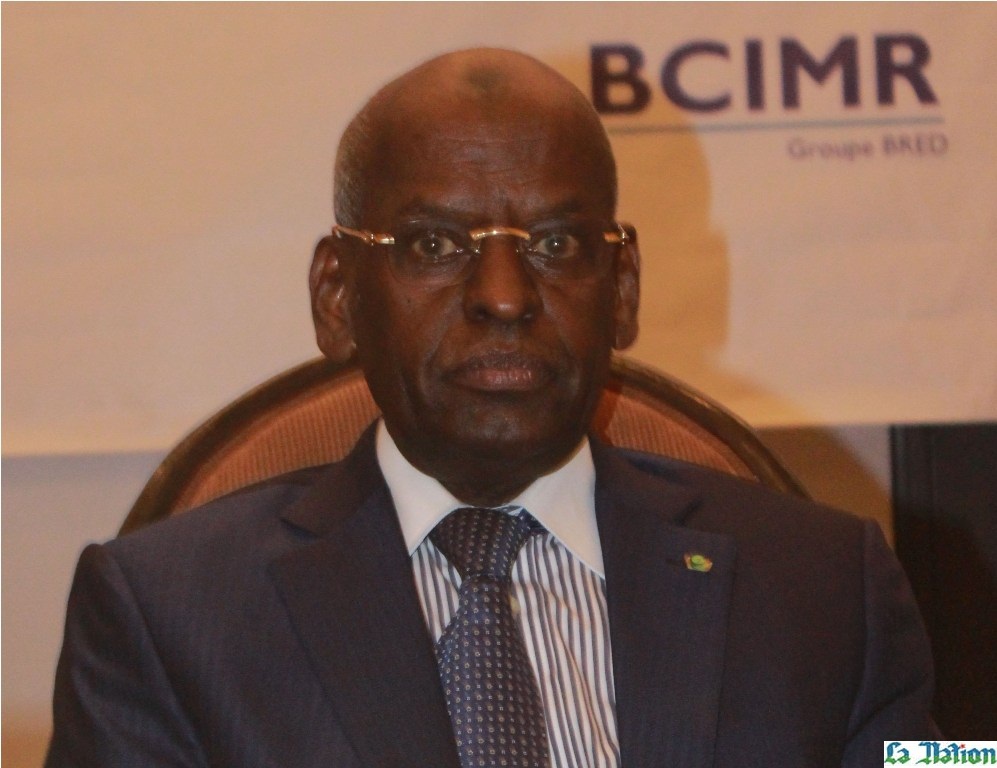
The impact of digital technology on our economy is now inevitable. The President of the Republic has decided to make in the telecommunications sector a leap comparable to what we have observed in the development of our ports and free zones. New technologies will in the future become a new driver of the country’s economic and social development.
The digital economy will generate new jobs and new sources of income. These innovations will enable financial inclusion, which will also help lift part of the population out of poverty. Indeed, fintech actors will also facilitate transactions in the informal sector. Fintech startups are experiencing strong growth across the African continent, and the government supports their development, as highlighted by the Minister of Communication. However, if traditional banks have some shortcomings in this area, I take this opportunity to call on them to also adapt to the African market, where people owning mobile phones are far more numerous than those holding a bank account. The Central Bank has an important role to play in addressing these issues.
I would also like to draw your attention to the need to take costs into account, as small transactions are relatively penalized, which means that the poorest are correspondingly more disadvantaged.
All your discussions and reflections will be very useful for all those interested in financial systems and new technologies.
.
Radwan Abdillahi Bahdon
Minister of Communication, in charge of Posts and Telecommunications
«Our mobilisation commitment is total to bringing all the necessary innovations to build the digital finance of tomorrow. »
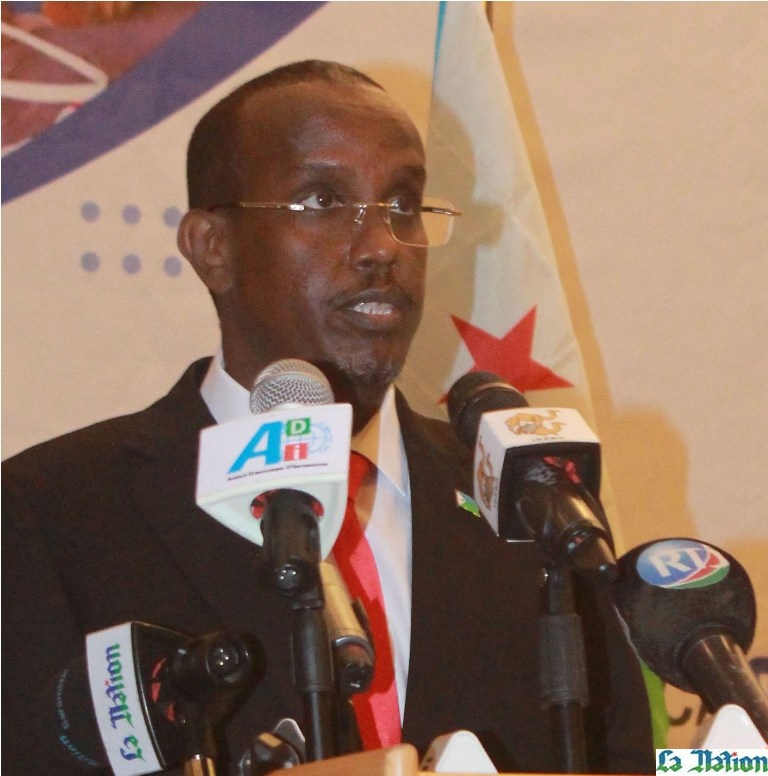
The impact of digital technology on our economy is now undeniable. It has transformed the traditional models and systems that we have known for many years. The continuous development and growth of our country will not be possible in the future without the support of new technologies.
The COVID-19 pandemic has highlighted this year the fundamental role that ICT plays in our economies and societies worldwide, and has shown the world that we will only be able to fully benefit from ICT if we are all connected.
On the African continent, the majority of our population uses mobile phones, which are the most widespread telecommunications tools. With the advent of ICT and the Internet, mobile devices are now also used to facilitate financial inclusion through mobile payments and the creation of electronic wallets.
This profound transformation in our economy also has an impact on the financial world. In this sense, banks and the traditional banking system are undergoing major changes with the emergence of new models integrating ICT. These tools must be fully integrated into the banking and financial environment to foster the emergence of new services and, above all, to ensure financial inclusion of our populations.
I am pleased to note the dynamism of this Forum bringing together Djiboutian and continental Fintech actors. This forum aims to highlight the political will of the President of the Republic, H.E. Ismaïl Omar Guelleh, to develop the digital economy, as well as the Government’s commitment to this process. This commitment has been translated into the adoption of a national ICT development strategy in 2014, whose objective is to make Djibouti a digital country by 2025.
I would like to emphasize that there is no harmonious development without awareness of the fight against cyberattacks, which represents a major challenge for individuals, organizations, administrations and businesses. Indeed, this issue is one of the most serious threats today, as offenses, crimes and fraud are committed in a virtual space.
Many projects are also underway to make the ICT ecosystem a driver of growth for other socio-economic sectors and for improving the well-being of populations. In this regard, I am pleased to announce the completion of three draft laws that will soon be submitted for adoption. These are a law on cybersecurity, a law on electronic transactions, and a law on the protection of personal data. The objective of these texts is to establish genuine trust in the use of ICT by ensuring the security of internet users and enabling them to fully benefit from the opportunities offered by digital technology. We are working to strengthen the business environment, both by offering distributors and consumers the opportunity to invest in online markets, and by enabling stakeholders to carry out their administrative procedures online. The law on electronic transactions aims to create an environment conducive to e-commerce and facilitate the dematerialization of administrative procedures. Indeed, the expansion of the Internet and the spread of new technologies have transformed traditional commerce, developing the sale of goods, services, data and information remotely.
All these results have been made possible thanks to the commitment of the Head of State, H.E. Ismaïl Omar Guelleh, and his government to improving the living and working conditions of the population.
In line with the President of the Republic’s roadmap, my ministry is committed to ensuring that our country is not left behind in the information society. To this end, we are firmly committed to:
– Improving the quality of telecommunications services at affordable prices,
– Strengthening mobile network coverage across the entire territory,
– Supporting and assisting young entrepreneurs in the ICT sector,
– Facilitating and promoting access to high-speed Internet,
– Reducing the digital divide between the capital and the regions,
– Protecting the rights of consumers of telecommunications and ICT services,
– Supporting the mobile payment system “D-Money”, etc.
As you can see, we work daily to support these projects and build an appropriate legal framework so that each Fintech can evolve and create its own model. Our commitment is total, and we stand by your side to bring all the necessary innovations to build the digital finance of tomorrow in Djibouti.
I wish you fruitful discussions over the coming two days.
Mohamed Assoweh Bouh
Director General of Djibouti Telecom
«Djibouti Telecom emphasizes our contribution to the promotion and development of a digital ecosystem in our country.»
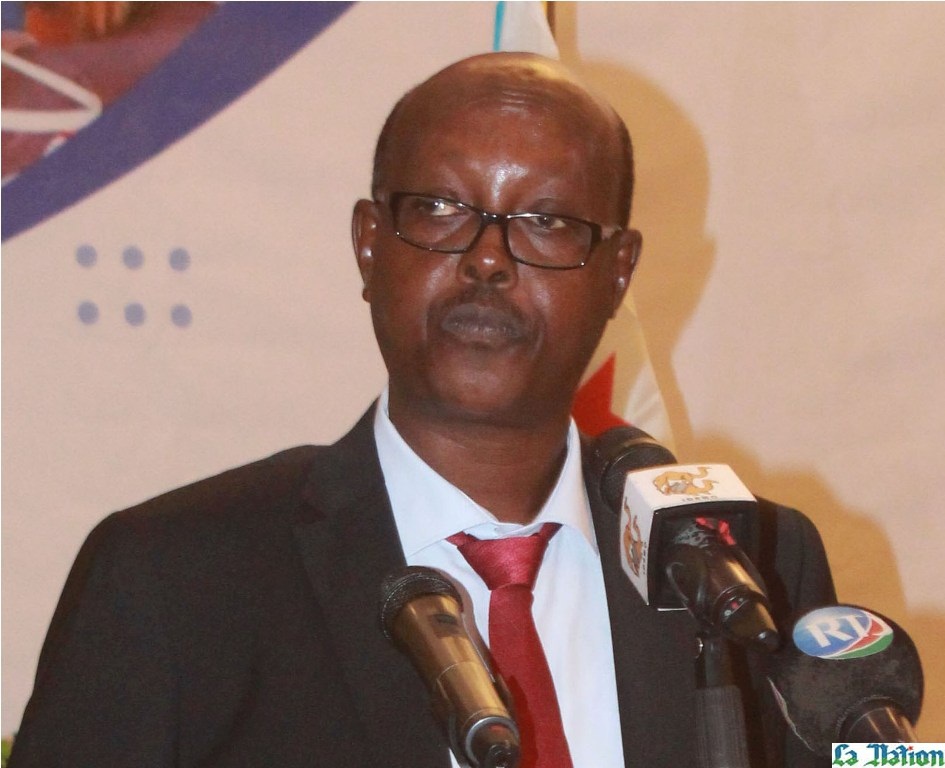
This forum is organized in a very particular context marked by the COVID-19 crisis, which has affected all countries around the world, strongly impacting our daily lives and forcing us to radically change our ways of living. This unprecedented situation is combined with the new reality imposed on all of us; both as users, businesses, administrations and regulators. This reality that we experience every day is digital transformation. It is spreading across all sectors of activity, breaking down silos and reshaping new value chains. It is this same reality that gave rise to Fintech, technology at the service of finance.
Fintech is structured around three main pillars:
– The first: high-speed telecommunications network infrastructures ensuring enhanced connectivity,
– The second: talent management through the development of the skills necessary to innovate new financial services,
– The third: regulation to facilitate the emergence of a digital ecosystem and support the development of the sector. This necessarily requires a flexible and adaptable legal framework. We will have the opportunity during these three days of the forum to better understand the challenges and issues, as well as the opportunities offered by fintech, through the planned panels and workshops.
Our country has the necessary assets to derive the greatest benefits from the digital revolution and particularly from fintech. Indeed, as a recognized financial hub in the region, we have also invested in modern technical infrastructures on which the fintech ecosystem could develop. One of the major orientations of Djibouti Telecom’s strategic development plan emphasizes our contribution to promoting the development of a digital ecosystem in our country. It is in this context that the D-Money platform was launched in June 2020. This infrastructure serving all stakeholders (individuals, businesses, administrations) will enable us to provide an innovative solution accessible to all. This new transaction system will open promising perspectives for our country and our population. D-Money not only complements traditional financial services, but also reaches our fellow citizens excluded from the traditional banking system; in this respect, fintech represents an ideal response for social inclusion. D-Money offers users a simple, efficient and competitive mobile money service. The telephone thus becomes both a mobile communication tool and an electronic wallet that facilitates all kinds of transactions and simplifies the lives of our citizens. Allow me to conclude my speech with this quote: “No singular ambition can be viable in an interconnected world; only the construction of a collective ambition nourished by the sum of multiple intelligences will enable us to meet the new challenges of the digital era and build together a national digital strategy.”