




Djibouti Fintech Forum: Djibouti on the Path to Becoming an African Financial Hub
As Djibouti—one of the most connected countries in the world, with more than a dozen undersea cables, and a major regional port and logistics hub—also aspires to position itself as a financial hub, fintech is emerging within an ecosystem that still needs to be structured. This is the mission of the Djibouti Fintech Forum, which held its second edition from June 18 to 20: bringing together key stakeholders of this ecosystem in order to bridge existing gaps and accelerate the process. A more ambitious and more concrete edition as well…
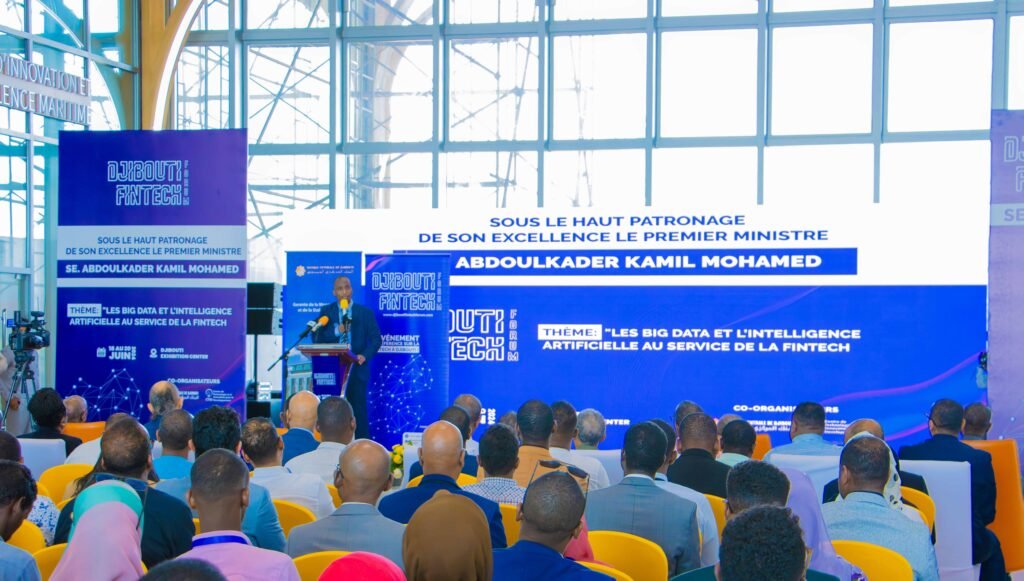
The Djibouti Fintech Forum held its second edition from June 18 to 20, 2024, marking a crucial milestone in the country’s technological and financial development. This event, organized by the Centre for Technology and Innovation for Development (CTID) in partnership with the Central Bank of Djibouti, aimed to structure a still-emerging fintech ecosystem and accelerate Djibouti’s digital transformation.
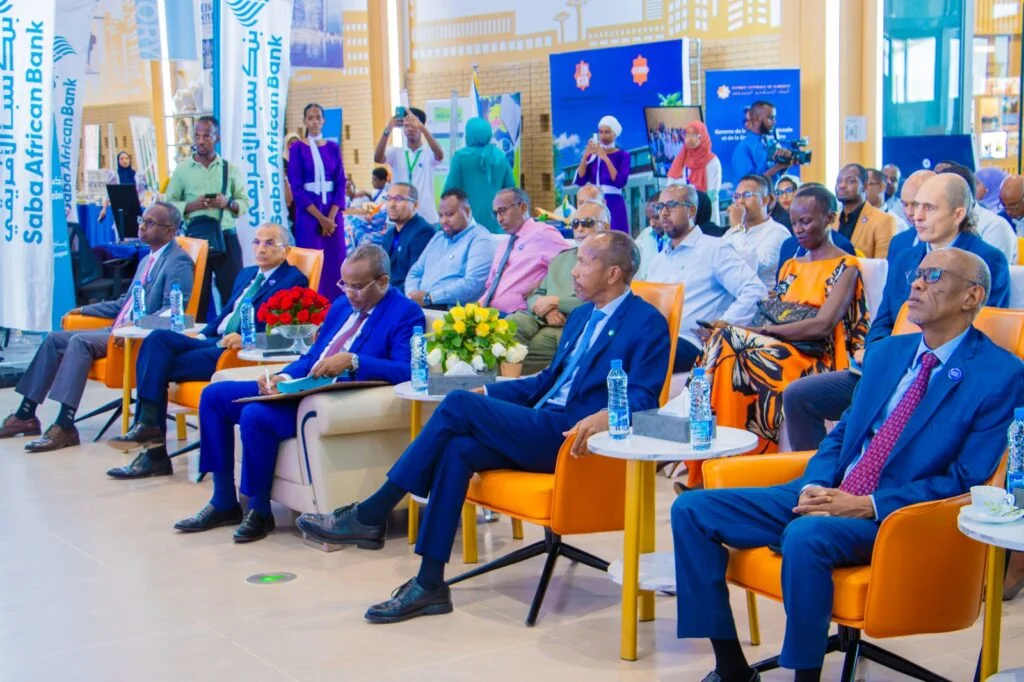
“Djibouti Fintech Forum 2024 is a crucial event for the technological and financial future of Djibouti,” said Samatar Abdi Osman, Commissioner General of the Djibouti Fintech Forum and founder of the CTID. “This forum is a unique opportunity to exchange ideas and innovations, strengthening our position as a regional pioneer in the fintech sector.” During this edition, discussions highlighted the potential of big data and generative artificial intelligence (AI) to revolutionize financial services in Africa.
AI and big data promise to enhance operational efficiency and expand access to financial services, thereby creating unprecedented financial inclusion for all citizens of Djibouti.
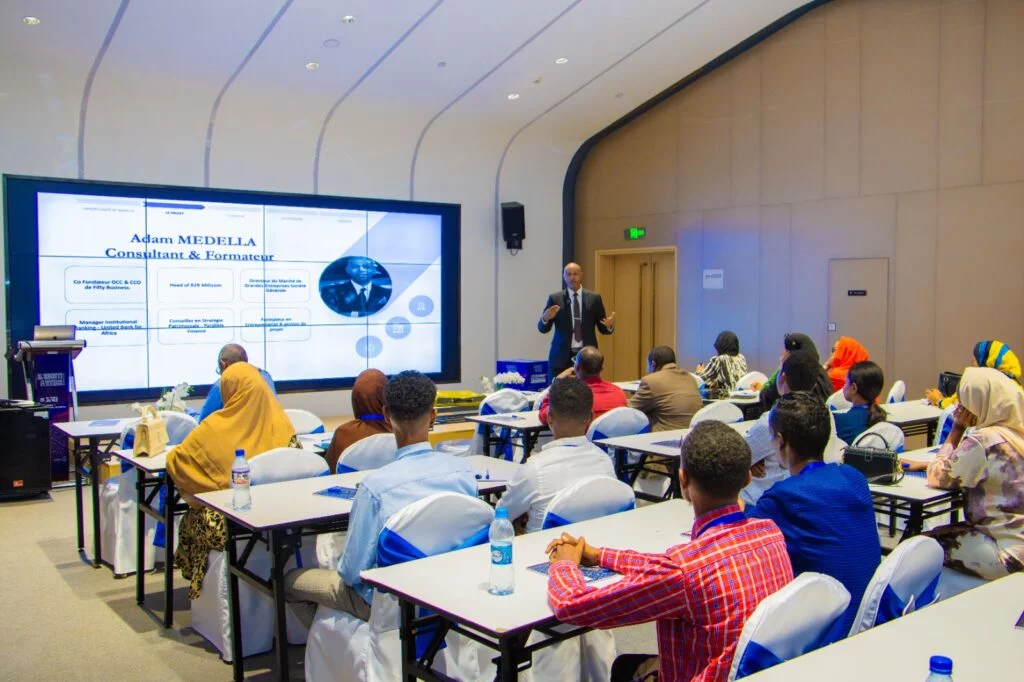
The second edition of the forum, held under the patronage of Prime Minister Abdoulkader Kamil Mohamed, was marked by several key moments, notably the presentation of the first Fintech mapping of Djibouti, an essential tool for structuring and developing this ecosystem. Five high-level panels addressed ambitious topics such as Islamic financial education, fraud detection using AI, and financial risk analysis techniques using AI and Big Data. Finally, two workshops were organized, one on cybersecurity and the other on fundraising.
“AI and big data represent powerful catalysts of transformation,” stated the Minister of Communication, Radwan Abdillahi Bahdon. “They promise to enhance operational efficiency and expand access to financial services, thereby creating unprecedented financial inclusion for all citizens of Djibouti.”
Fintech offers new solutions to improve access to financial services, promote economic inclusion, and strengthen the resilience of our economy in the face of global challenges.
The Governor of the Central Bank of Djibouti, Ahmed Osman Ali, emphasized the importance of fintech for the country’s economic future. “Fintech plays a crucial role in the transformation of our financial sector,” he said. “It offers new solutions to improve access to financial services, promote economic inclusion, and strengthen the resilience of our economy in the face of global challenges.” In doing so, he reinforced Djibouti’s ambitions to position itself as a regional financial hub.
In this regard, the country has no shortage of assets, as highlighted by the many government representatives and public institutions present at the event, including Ilyas Moussa Dawaleh, Minister of Economy and Finance, who stated: “We have all the ingredients to transform these sectors and unlock their full potential.” This starts with exemplary monetary stability since the creation of its currency in 1949, making Djibouti a trusted destination for investors. In addition, the country has the largest telecommunications infrastructure in Africa, with exceptional connectivity through more than a dozen undersea cables. This advanced infrastructure facilitates financial transactions and the development of innovative financial technologies. Moreover, Djibouti is strategically located at the crossroads of maritime and trade routes, reinforcing its role as a regional port and logistics hub, with a rapidly expanding financial sector, including Islamic finance, which is also growing strongly in the country.
The forum also dedicated a day to Islamic finance, which combined with digital technologies offers a wide range of new opportunities, as highlighted by the Governor of the Central Bank. By combining the ethical principles of Islamic finance with technological innovation, Islamic fintech provides inclusive, transparent financial solutions aligned with Islamic values. This fusion enables the development of a diverse range of financial products, from mobile banking services to crowdfunding platforms, while respecting the prohibitions on interest and excessive speculation.
However, challenges remain, noted the Minister of Economy and Finance, particularly the monetization of the payment system and the need to create favorable conditions for smooth financial transactions. “It is crucial that the Central Bank ensures that the pace of its transformation matches that of the private sector,” he added.
This is precisely the purpose of this forum: bringing together stakeholders of this emerging ecosystem to accelerate its development. In this regard, the Djibouti Fintech Forum has demonstrated the importance of innovation and collaboration between the public and private sectors in building a strong fintech ecosystem. “We are at a turning point,” said the Minister of Communication. “The future of fintech in Djibouti depends on our ability to embrace change, adopt new technologies, and encourage entrepreneurship.”
To provide a solid foundation for this work, the first fintech mapping of Djibouti was presented and shared at the launch of the forum.
In conclusion, the Djibouti Fintech Forum 2024 not only identified current and future growth opportunities for the Djiboutian economy, but also strengthened the determination of all stakeholders to make Djibouti a leading financial hub in Africa. “We look forward to meeting again in 2025 to assess progress and continue this journey together,” concluded Samatar Abdi Osman.
.
To be read in our publication ANAMag special Tech : https://online.fliphtml5.com/pgjkg/cdpx/